
5 Design Decisions That Save Money Later

5 Design Decisions That Save Money Later
Why Smart Interior Design Planning Matters
Some of the most expensive home renovation mistakes happen before construction begins.
Poor space planning, unsuitable materials, and missing technical details can lead to unexpected expenses, construction delays, and costly changes.
However, design decisions that save money aren't about choosing the cheapest materials. They're about making informed choices that protect your budget without compromising quality.
At Krass Design, we believe thoughtful interior design planning is essential for creating functional, beautiful spaces with long-term value.
Here are five important decisions homeowners should make before starting their projects.
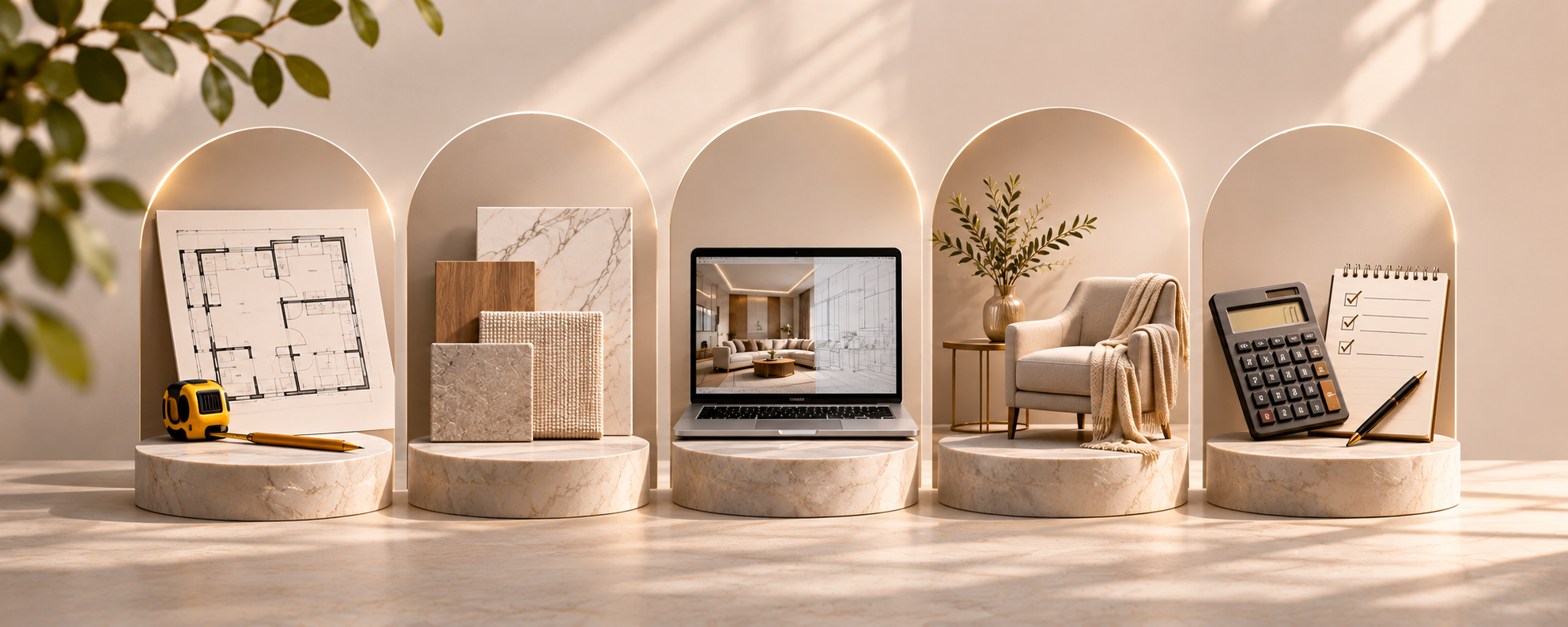
1. Plan Your Layout Before Selecting Furniture
A well-planned layout is the foundation of cost-effective interior design.
Choosing furniture before understanding room dimensions, circulation, and storage needs can result in unsuitable purchases or expensive modifications.
Before finalizing your layout, consider:
- Space utilization: Does every area serve a practical purpose?
- Furniture placement: Are dimensions and movement properly considered?
- Storage: Are cabinets and built-in solutions planned early?
- Structural changes: Are modifications genuinely necessary?
For example, planning a built-in wardrobe before finalizing electrical points can help avoid relocating switches or outlets later.
Good space planning reduces unnecessary changes during execution.
2. Choose Materials Based on Durability and Maintenance
Materials influence both construction expenses and future maintenance costs.
An expensive finish isn't always the best choice, especially if it requires frequent maintenance or isn't suitable for the space.
For smarter material selection:
- Choose durable finishes for high-traffic areas.
- Consider cleaning and maintenance requirements.
- Invest in premium materials where they add meaningful value.
- Use a coordinated material palette to simplify procurement.
In luxury home design, quality comes from choosing appropriate materials, not simply the most expensive options.
Related reading: The Hidden Details That Make a Luxury Home Feel Truly Luxurious (And Why Most People Miss Them)
3. Use Technical Drawings and 3D Visualization
One of the most effective ways to manage home renovation costs is to identify design problems before construction begins.
Technical drawings help communicate accurate dimensions, furniture layouts, electrical points, lighting positions, and finishing details.
Meanwhile, 3D visualization allows homeowners to review the proposed design before execution.
Together, they help reduce:
- Construction errors and rework.
- Miscommunication between contractors.
- Last-minute design changes.
- Unnecessary material waste.
For example, coordinating ceiling details and lighting positions before installation can prevent costly modifications after work has started.
Accurate drawings and early coordination are essential to construction cost planning.
Related reading: Why Your 3D Interior Design Render Doesn't Match Reality (And How to Make Sure It Does)
4. Avoid Unnecessary Customization and Short-Lived Trends
Customized furniture and decorative features can enhance a space, but not every element needs a custom solution.
Before investing in customization, consider whether a standard option can provide similar functionality and appearance.
Likewise, following every design trend may lead to frequent updates and additional renovation expenses.
Instead, prioritize:
- Timeless finishes and materials.
- Functional furniture and storage.
- Balanced architectural details.
- Decorative elements that are easy to update.
A timeless design foundation can reduce the need for major renovations as trends change.
5. Establish a Realistic Budget Before Construction
Effective construction cost planning begins with understanding priorities.
Before execution, establish a budget covering materials, labor, furniture, technical requirements, and a contingency for unexpected expenses.
Separate essential elements from optional upgrades and confirm costs before approving major changes.
For example, prioritizing durable flooring and practical storage over purely decorative features may deliver greater everyday value.
A clear budget helps homeowners make better decisions and avoid unnecessary spending.
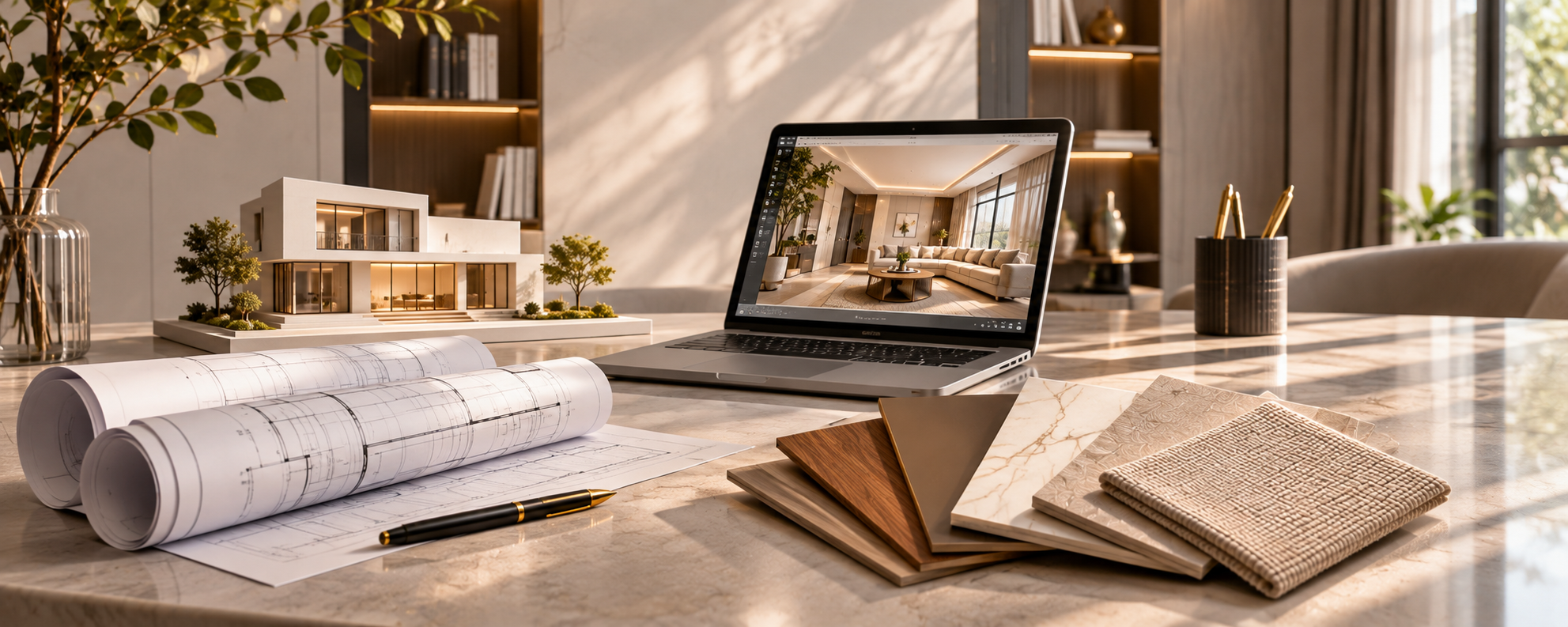
How Krass Design Approaches Cost-Conscious Luxury
Saving money on interior design doesn't mean sacrificing quality. It means making the right decisions at the right stage.
At Krass Design, our approach combines interior and architectural design, 3D visualization, technical detailing, and customized furniture solutions.
By considering functionality, materials, and execution requirements together, we aim to create spaces that balance luxury aesthetics with practical value.
Related reading: Why Interior Designers Sometimes Say No to Client Requests
Planning Your Next Interior Design Project?
Whether you're building a new home or renovating an existing property, thoughtful design decisions can help you avoid unnecessary expenses and achieve a more functional space.
Contact Krass Design to discuss your project and discover how smart interior design planning can bring your vision to life.