
Why Interior Designers Sometimes Say No to Client Requests

Why Interior Designers Sometimes Say No to Client Requests
Sometimes, the Best Interior Design Decision Is Saying No
Every successful interior design project begins with a vision.
Clients bring inspiration images, preferred materials, Pinterest references, and ideas about how they want their spaces to look and feel. Understanding these preferences is an essential part of the design process.
But should an interior designer agree with every client request?
Not always.
At Krass Design, we believe that successful interior design decisions should balance aesthetics, functionality, technical feasibility, and long-term value.
A design feature may look impressive in a photograph or 3D visualization, yet create practical challenges when applied to an actual space.
This is why professional interior designers sometimes need to challenge an idea, recommend an alternative, or explain why a particular request may not deliver the desired result.
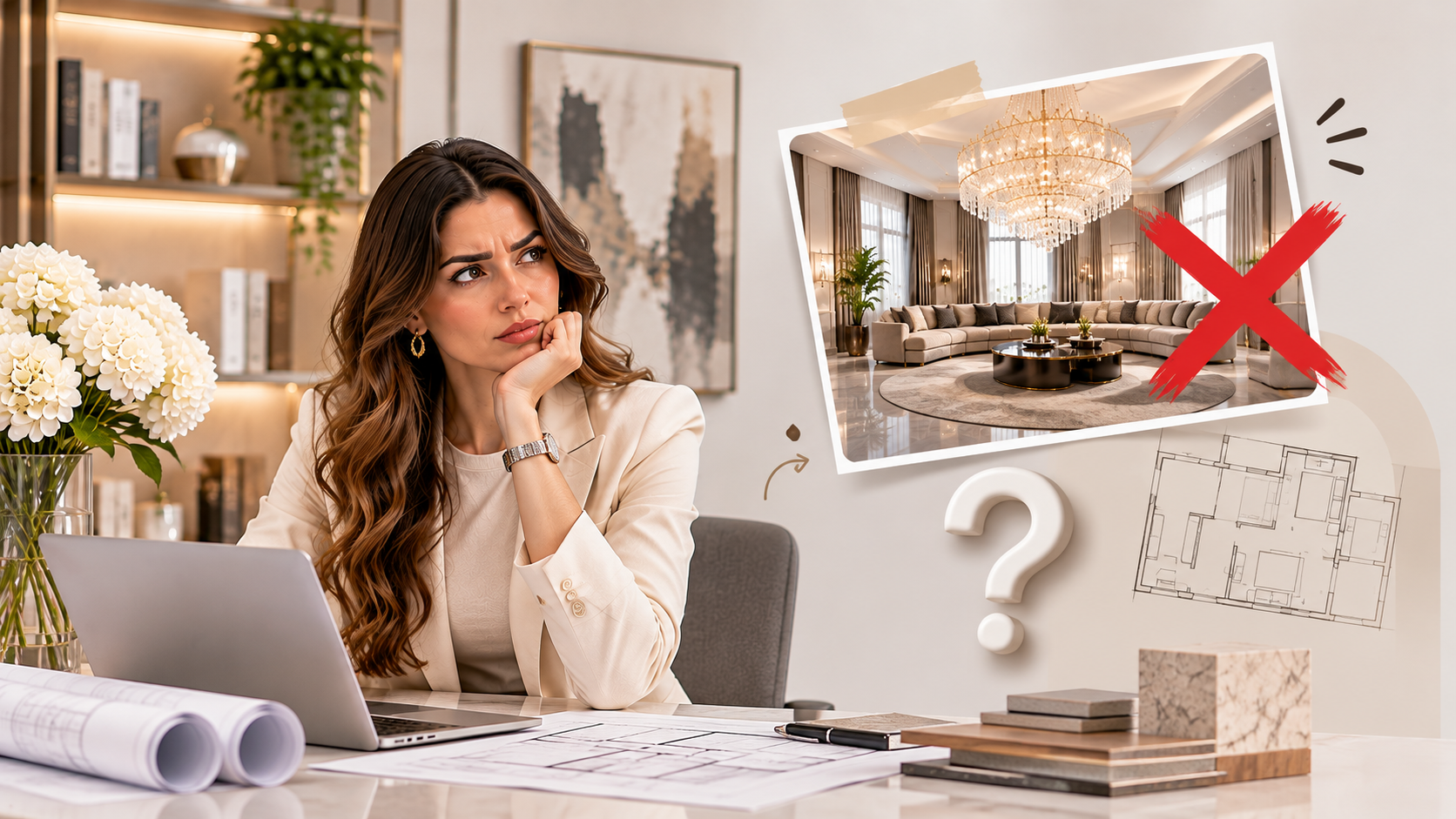
Saying no is not about rejecting a client's vision. It is about protecting that vision from decisions that could compromise the finished space.
When a Beautiful Design Idea Doesn't Work in Reality
A design that looks stunning in a photograph may not work in every space.
For example, oversized furniture, dramatic lighting, or decorative features can create challenges when the room's dimensions, layout, and functionality are overlooked.
Common issues include:
- Limited space: Large furniture can restrict movement.
- Poor functionality: Decorative features may interfere with everyday use.
- Technical challenges: Certain designs may require complex installation or modifications.
- Unnecessary costs: Expensive details may add little practical value.
This is why professional interior design planning is essential. Designers adapt inspiration to suit the actual space while preserving the client's preferred aesthetic.
The best interior design decisions balance beauty, functionality, and technical feasibility.
Related reading : Why Your 3D Interior Design Render Doesn't Match Reality (And How to Make Sure It Does)
Why Professional Interior Designers Challenge Client Requests
Successful interior design requires balancing the client's vision with functionality, technical feasibility, and long-term value. Sometimes, designers need to recommend alternatives to avoid common interior design mistakes.
1. When Aesthetics Compromise Functionality
One of the most common interior design mistakes is prioritizing appearance without considering how the space will be used.
Functional interior design requires every element to serve both an aesthetic and practical purpose.
Before approving a design decision, a professional designer should evaluate:
- Whether furniture dimensions suit the room.
- Whether circulation paths remain comfortable.
- Whether the layout supports daily activities.
- Whether storage requirements are adequately addressed.
- Whether lighting and furniture placement work together.
A successful interior should feel as comfortable to live in as it is beautiful to look at.
2. When a Design Choice Creates Unnecessary Construction Costs
Not every expensive design decision improves the quality of a space.
For example, an elaborate ceiling design could require additional framing, lighting coordination, and installation work.
If a simpler ceiling treatment can achieve the same visual objective, the additional construction expense may not be justified.
A professional designer should help clients understand where their budget will have the greatest impact.
The objective is not simply to reduce costs. It is to invest in design decisions that deliver meaningful value.
Related reading : Design Decisions That Reduce Construction Costs: Planning Mistakes Luxury Homeowners Should Avoid
3. When a Design Trend Doesn't Suit the Space
Interior design trends can provide inspiration, but they should never replace thoughtful planning.
For example, a dark, dramatic interior might look sophisticated in a spacious room with generous natural light but feel visually overwhelming in a smaller space.
Before incorporating a trend, designers should consider the property's architectural character, room proportions, lighting conditions, and the client's lifestyle.
Good interior design is not about following every trend. It is about selecting ideas that genuinely improve the space.
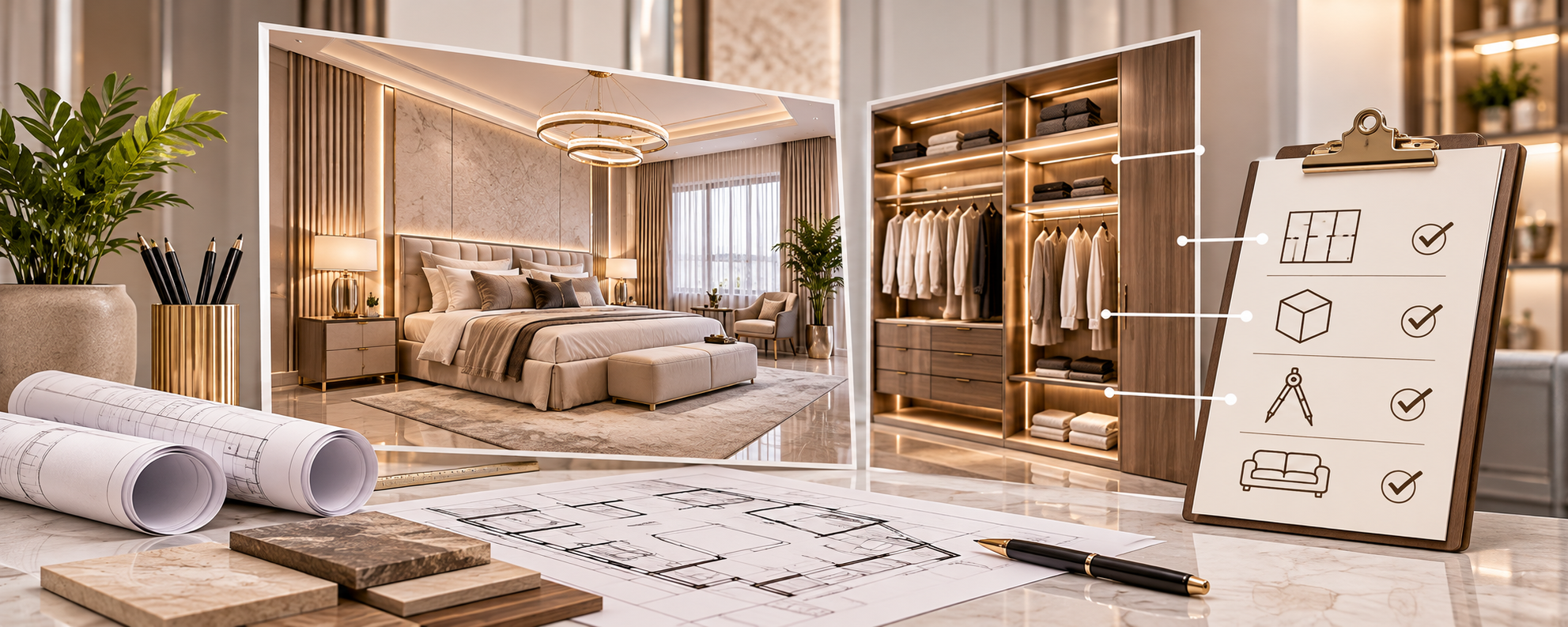
Saying No Doesn't Mean Ignoring the Client's Vision
A professional interior designer should never dismiss a client's ideas without explanation.
When a requested feature presents challenges, the designer's responsibility is to explain those concerns clearly and explore alternatives that respect the original vision.
An effective design discussion should answer three questions:
- What does the client want to achieve? Understanding the desired appearance, atmosphere, or function behind the request.
- What could prevent the proposed solution from working? Identifying spatial, technical, financial, or practical limitations.
- What alternative could deliver a better result? Recommending an approach that maintains the intended design direction while addressing those limitations.
For example, if a client wants an oversized statement chandelier in a room with a relatively low ceiling, the solution does not necessarily have to be removing the statement lighting altogether.
A designer might recommend a lower-profile fixture, a different arrangement, or an alternative lighting feature that achieves the same dramatic effect without compromising visual proportions or movement.
The best design decisions do not force clients to choose between beauty and functionality. They find ways to achieve both.
Choosing an Interior Design Partner Who Makes the Right Decisions
Choosing an interior design partner involves more than finding a team whose portfolio matches your preferred style.
It means working with professionals who understand your expectations, recognize potential challenges, and can explain the reasoning behind their recommendations.
At Krass Design, we believe that thoughtful design is built through communication, attention to detail, and careful coordination between concept and execution.
Our goal is not to agree with every request automatically. It is to help clients make informed interior design decisions that protect the quality, functionality, and long-term value of their spaces.
Because sometimes, the most valuable thing an interior designer can say is no — when it leads to a better yes.
Planning Your Next Interior Design Project?
Whether you are designing a new home, renovating an existing property, or developing a commercial interior, the decisions made during the planning stage can shape the entire project.
Working with a professional design team can help you evaluate ideas, avoid unnecessary complications, and create an interior that balances your vision with practical requirements.
Contact Krass Design to discuss your project and explore how thoughtful interior design planning can bring your vision to life.