
20 Interior Design Mistakes to Avoid When Designing Your Home

Creating a beautiful home requires more than selecting stylish furniture and finishes. Poor planning, unsuitable materials, and overlooked details can affect comfort, functionality, and long-term costs.
Whether you're building a new home or renovating an existing one, avoiding these 20 common interior design mistakes can help you create a more practical and cohesive space.
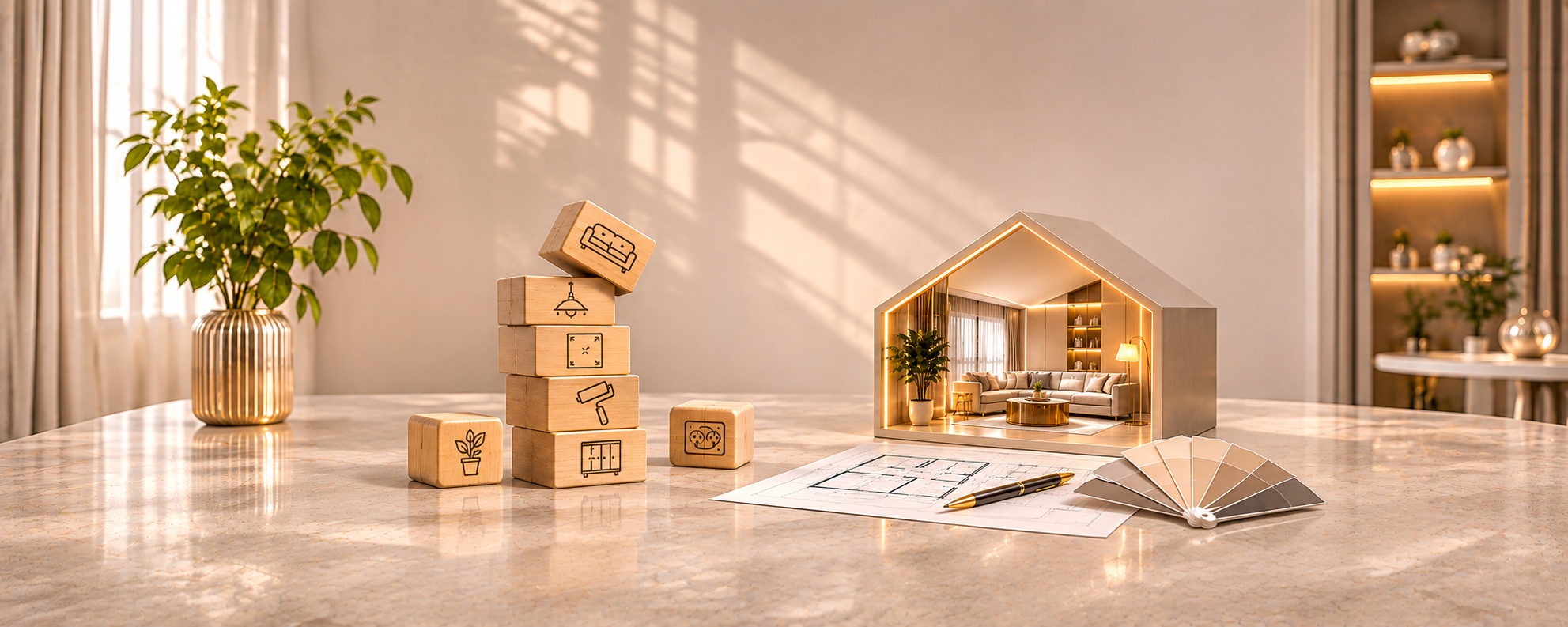
Planning and Layout Mistakes
1. Starting Without a Clear Design Plan
Choosing furniture, colors, and finishes without a consistent concept can create a disconnected interior. Define your design direction before making major decisions.
2. Ignoring Space Planning
Poor layouts can restrict movement and reduce functionality. Plan furniture placement around room dimensions, circulation, and everyday activities.
3. Buying Furniture Without Measuring
Oversized furniture can overwhelm a room, while undersized pieces may feel out of proportion. Always check dimensions before purchasing.
4. Designing Without Considering Your Lifestyle
Your home should support your daily routines. Consider family needs, storage, comfort, and maintenance when planning each space.
5. Relying on One Light Source
A single ceiling fixture rarely provides balanced lighting. Combine ambient, task, and accent lighting for flexibility and comfort.
6. Choosing Colors Without Testing
Colors change under different lighting conditions. Test paint and material samples in the actual room before making final decisions.
7. Blocking Natural Light
Heavy curtains or poorly positioned furniture can make rooms feel darker. Maximize daylight through thoughtful layouts and window treatments.
8. Using Too Many Colors and Finishes
Too many competing elements can make a space feel visually overwhelming. Choose a coordinated palette that connects rooms and materials.
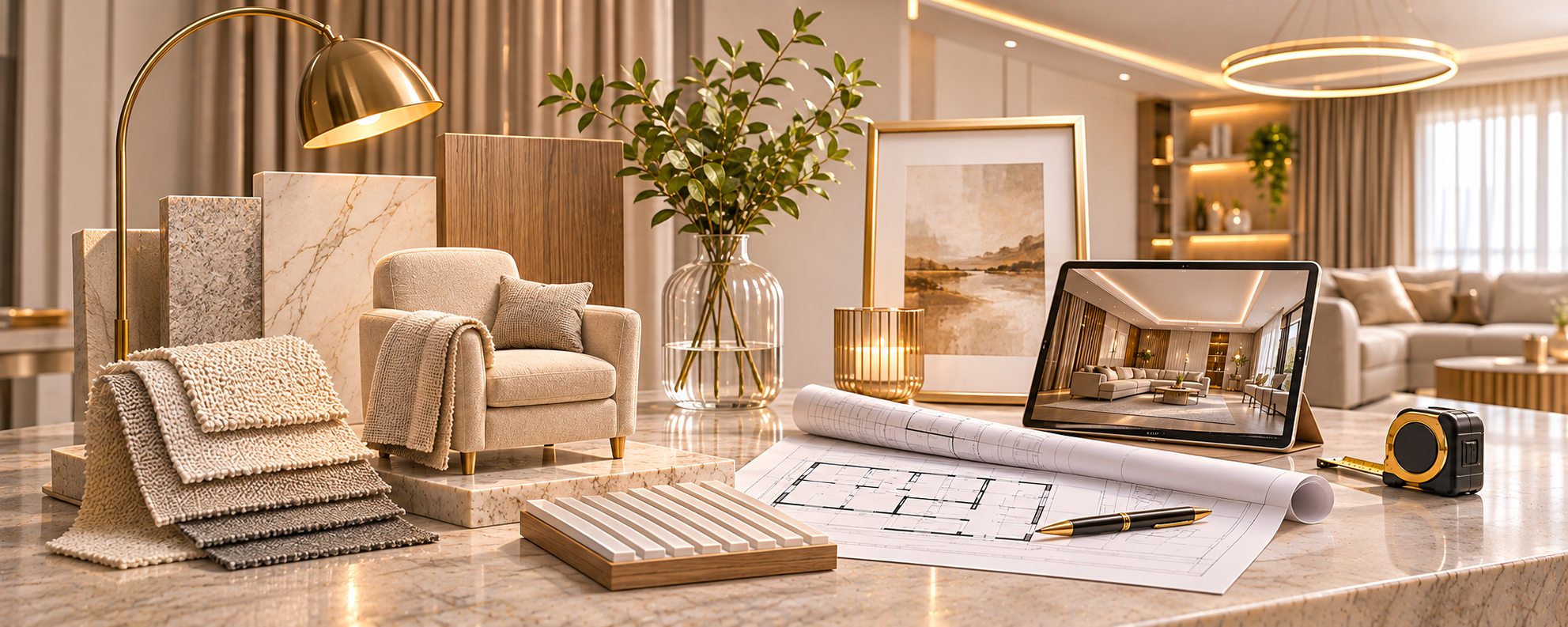
Furniture and Material Mistakes
9. Choosing Appearance Over Comfort
Beautiful furniture isn't always practical. Evaluate comfort, proportions, and usability alongside appearance.
10. Ignoring Material Durability
Unsuitable finishes can lead to frequent maintenance or replacement. Select materials according to their intended use and durability.
11. Forgetting Storage Solutions
Insufficient storage creates clutter. Incorporate wardrobes, cabinets, and concealed storage during the initial planning stage.
12. Following Every Interior Design Trend
Trends change quickly. Create a timeless foundation and introduce fashionable elements through accessories that are easier to replace.
Decoration and Technical Mistakes
13. Hanging Artwork at the Wrong Height
Artwork positioned too high or low can disrupt visual balance. Consider eye level, furniture placement, and wall proportions.
14. Choosing Rugs That Are Too Small
An undersized rug can make furniture arrangements feel disconnected. Select a rug that visually connects the main pieces.
15. Overlooking Ceiling Design
Ceilings influence lighting, room proportions, and overall appearance. Coordinate ceiling details with the architectural design.
16. Skipping Technical Drawings
Missing dimensions or installation details can cause construction mistakes. Prepare accurate drawings before execution.
17. Relying Only on 3D Renders
3D visualizations show the intended appearance but don't replace technical documentation. Both are essential for translating concepts into reality.
Related reading: Why Your 3D Interior Design Render Doesn't Match Reality (And How to Make Sure It Does)
Budget and Long-Term Mistakes
18. Starting Without a Realistic Budget
Poor budgeting can lead to compromises and unfinished work. Establish priorities and include a contingency for unexpected expenses.
19. Making Last-Minute Construction Changes
Changing layouts or materials during execution can increase costs and cause delays. Finalize major decisions before construction begins.
Related reading: Design Decisions That Save Money Later
20. Hiring an Interior Designer Based Only on Price
The lowest quotation doesn't always provide the best value. Compare experience, technical expertise, project scope, and deliverables before choosing a designer.
Related reading: 10 Questions to Ask Before Hiring an Interior Designer
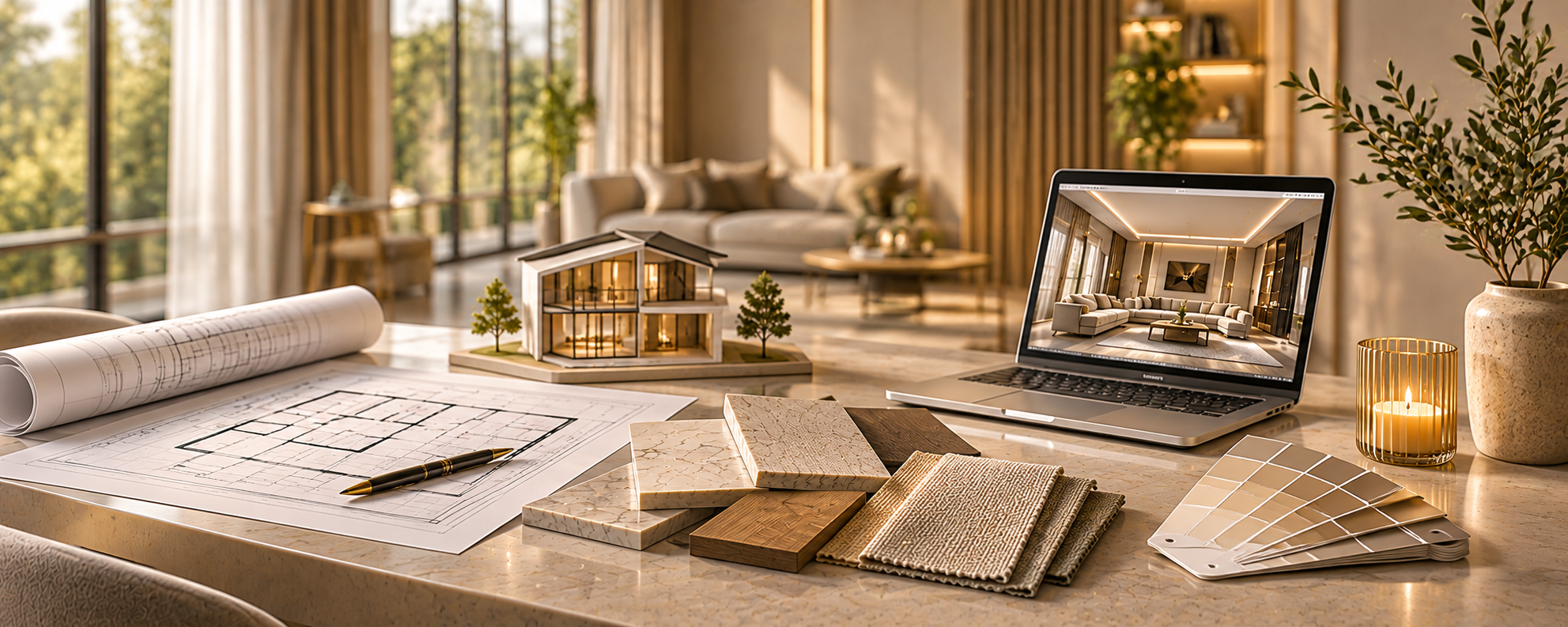
How to Avoid Common Interior Design Mistakes
The key to successful home design is making informed decisions before execution. A clear layout, appropriate materials, coordinated lighting, and accurate technical drawings help create a space that balances aesthetics and functionality.
At Krass Design, we approach interior design through thoughtful planning, 3D visualization, technical detailing, and customized solutions.
Our goal is to create spaces that are visually refined, practical, and designed for long-term value.
Planning Your Next Interior Design Project?
Avoid costly mistakes by making the right decisions from the beginning.